
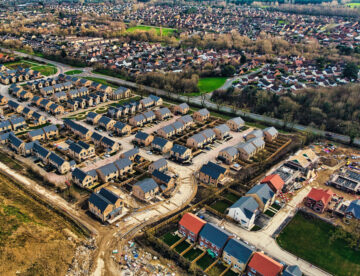
We all know places that have a particular character. Streets, buildings and neighbourhoods that are instantly recognisable, feel connected to their surroundings and somehow make us feel good about being there.
But as the UK looks to build more homes, regenerate towns and cities and invest in new infrastructure, how do we make sure we’re creating places people will value – rather than simply buildings that fulfil an immediate need?
That’s the question being raised by Humanise, a campaign calling for an end to what it describes as the growing “blandification” of our towns and cities. Read on for our exploration of what makes somewhere feel like a ‘place of pride’ rather than simply a collection of buildings – and what role the construction and development industry can play.
Earlier this month, more than 100 UK businesses joined forces with the UK Green Building Council (UKGBC) in calling upon the Government to urgently reform the planning system to tackle climate change alongside the UK’s deepening housing crisis.
In their letter to government, the coalition is asking for reforms to the planning system that would bring it in line with the Climate Change and Environment Acts and says the Levelling Up and Regeneration Bill (currently going through Parliament) could also be a crucial opportunity to align planning decisions with the nation’s net zero emissions target. Find out more in today’s blog.
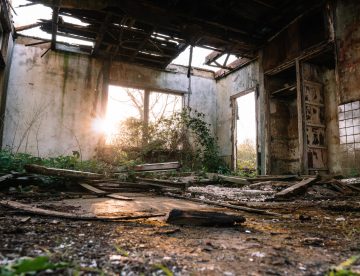
According to CPRE The Countryside Charity, the UK has over 25,000 hectares of brownfield land across 21,000 sites. Many are run-down plots of land that represent all kinds of safety hazards and, when stuck in such poor condition for several years, they become a real blot on the landscape. So what should all this land be used for? A survey carried out by Romal Capital found that 59% of the British public would opt for either the building of modern, efficient homes and communities to help solve the ongoing housing crisis or cultural landmarks. Read more about both the survey and the work we’re doing to prioritise brownfield development in this week’s blog.