
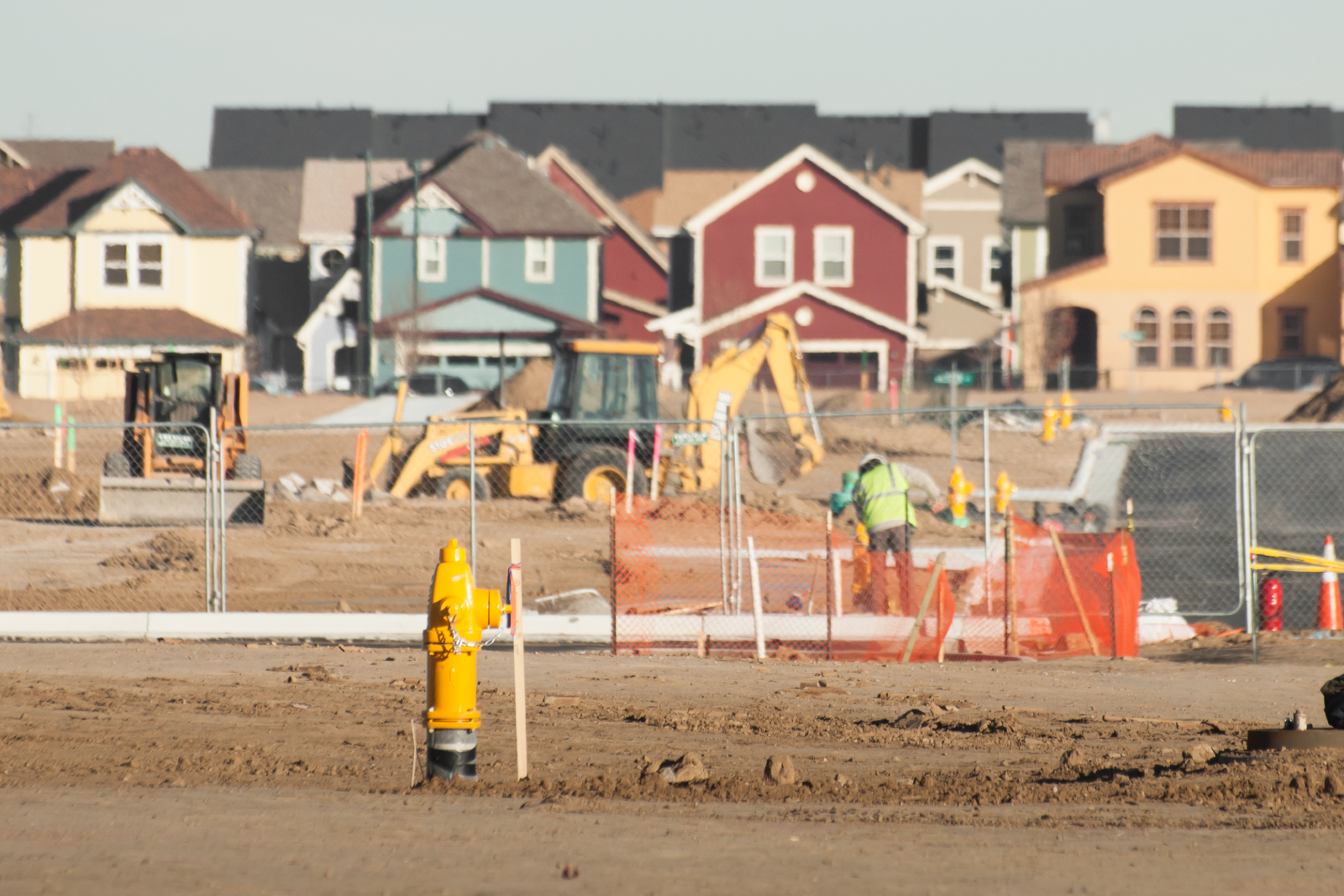
The UK housing sector has entered one of its quietest periods in a decade*. After years of fluctuating demand, many parts of the market are now experiencing a sustained slowdown in new activity, with fewer homes being started and less confidence across the development pipeline.
This matters not only to homeowners and buyers, but also to developers, contractors and the wider construction supply chain. Suppliers are increasingly warning that 2026 could become another ‘lost year’ for housebuilding unless demand begins to recover.
Keep reading this week’s blog to understand what is driving these concerns and what the implications could be for the sector.
What’s driving the slowdown in housing demand?
This period of weaker housing demand is being driven by a combination of economic pressures and structural delays. High borrowing costs continue to affect mortgage affordability and, alongside wider cost of living pressures and uncertainty around future economic conditions, this is making it harder for buyers to move and reducing confidence across the market.
Faced with rising costs and slower sales rates, developers are often responding by delaying or cancelling new starts. Local authorities are also struggling with limited planning capacity, which can cause delays and slow decision-making, adding further friction to an already challenging environment.
For companies operating across the construction and housing sectors, this broader landscape is important to understand. It shapes not only the volume of work available, but also the stability of the supply chain that supports it.
The supplier perspective
One of the clearest indicators of a quiet housing market is what is happening upstream. Across the construction ecosystem, suppliers are reporting sharp drops in demand, with ripple effects spreading from manufacturers through to merchants and site delivery schedules.
Brick, block and concrete producers have all highlighted significant reductions in orders. Some manufacturers that expanded capacity during busier years are now facing excess stock, while others are reducing shifts or pausing production entirely. Industry bodies have begun calling for more targeted government intervention, warning that the slowdown is becoming entrenched.
Some key figures underline the scale of this issue:
- Concrete volumes are down 28 percent nationally over recent years, with London seeing the steepest regional decline at 39 percent.
- Housing project starts are down 11 percent year-on-year.
- Detailed planning approvals are down 47 percent compared to the previous year.
- Brick deliveries have fallen by 6.1 percent year-on-year, contributing to a 14.5 percent rise in stockpiles.
What this could mean for the construction sector in 2026
Together, these trends reflect a shift from product shortages to customer shortages across the supply chain. And, if current conditions continue, the sector may find that developers may remain cautious, delaying new schemes until confidence improves.
Supply chain instability may also affect lead times and long-term planning, particularly if manufacturers reduce output further. At the same time, opportunities may emerge in areas such as retrofit, repair and maintenance, and energy efficiency work as investment shifts away from new build starts.
At Sheriff Construction and our sister companies, we are responding by focusing on reliability, continuity and adaptability. With stable supply partners and a diversified range of services across brickwork, roofing, maintenance and property development, we are well positioned to navigate market volatility while continuing to deliver quality outcomes for our clients.
A call for stability and smart investment
The housing sector needs confidence, planning reform and targeted support if 2026 is not to become another lost year. While the current slowdown is significant, it does not have to define the future of the industry.
With the right investment and a clearer path forward, the sector can return to sustainable growth and continue meeting the country’s housing needs.
What do you think?
We would be interested to hear your views. How do you see the housing market evolving over the next year, and what do you think the construction sector needs most to support recovery? Join the conversation and share your thoughts with us on our Facebook or LinkedIn pages.
28.01.2026
Feature image: Freepik
*This article relates to demand within the housing market in relation to home ownership, not the rental market.