We all know places that have a particular character. Streets, buildings and neighbourhoods that are instantly recognisable, feel connected to their surroundings and somehow make us feel good about being there.
But as the UK looks to build more homes, regenerate towns and cities and invest in new infrastructure, how do we make sure we’re creating places people will value – rather than simply buildings that fulfil an immediate need?
That’s the question being raised by Humanise, a campaign calling for an end to what it describes as the growing “blandification” of our towns and cities. Read on for our exploration of what makes somewhere feel like a ‘place of pride’ rather than simply a collection of buildings – and what role the construction and development industry can play.
Why does the way our built environment looks and feels matter?
Founded following the publication of designer Thomas Heatherwick’s Humanise in 2023, the Humanise campaign argues that buildings should do more than fulfil their practical purpose. They should also be interesting, characterful and contribute positively to the places around them.
Earlier this year, the campaign published a guide aimed at UK mayors, encouraging them to use their influence over planning, investment, land and development to create places that generate greater pride and belonging.
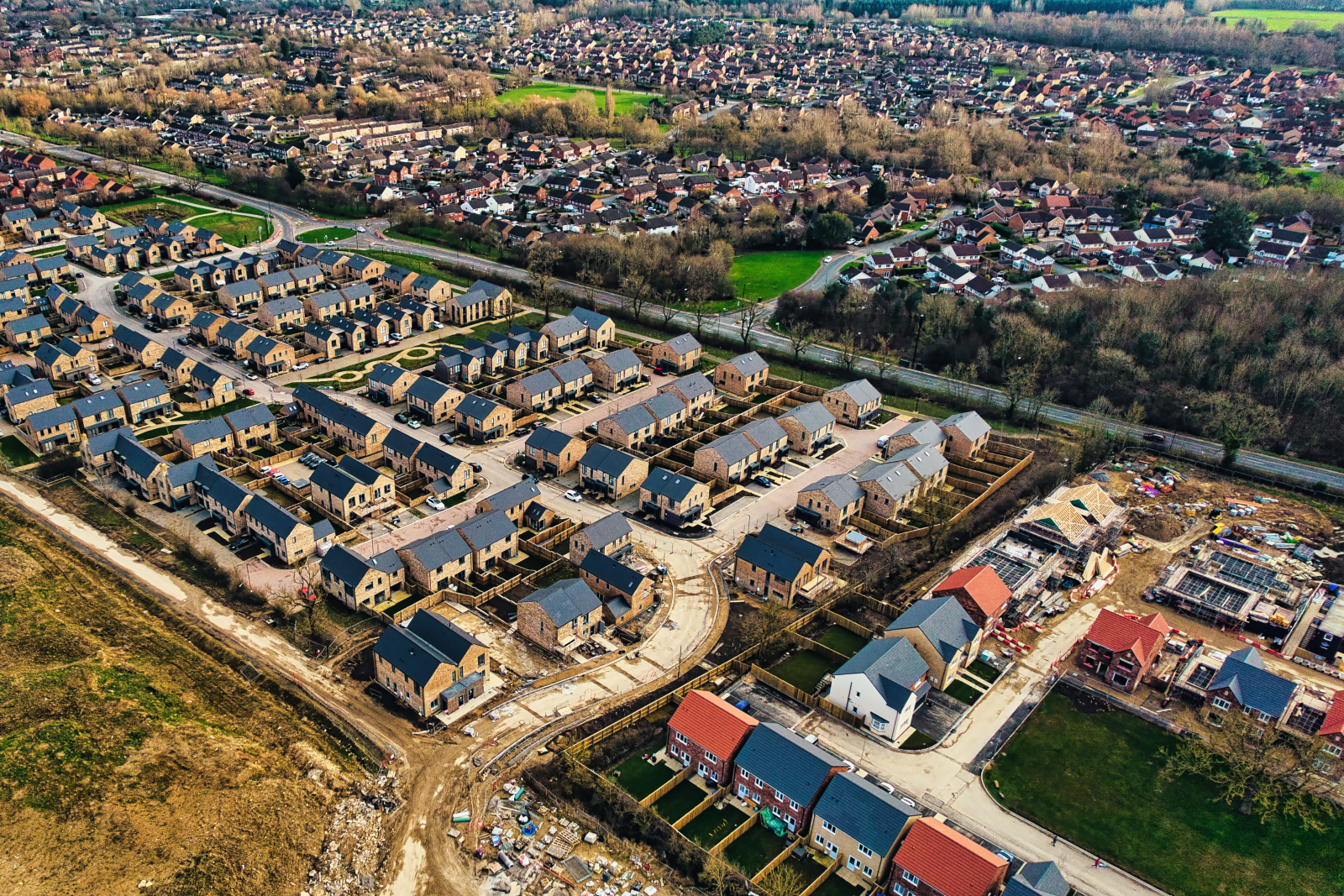
Its argument is that too much modern development has become repetitive and anonymous, resulting in streets and neighbourhoods that could effectively be anywhere.
It’s a deliberately provocative idea, but it raises an interesting question for everyone involved in the built environment: when we’re designing and constructing somewhere new, how much thought do we give to how people will actually feel about that place in 10, 20 or 50 years?
Humanise points to research suggesting that the appearance and character of buildings can influence how people feel about the places where they live, including their sense of pride, connection and belonging.
The challenge of building at scale
Of course, there is another side to the discussion. The UK needs to deliver significantly more new homes each year than it is currently achieving and delivering them means dealing with planning requirements, building regulations, safety, sustainability, land values, construction costs and development viability.
Standardisation isn’t necessarily a bad thing either. Repeating successful designs, components or construction methods can improve efficiency and consistency, control costs and help businesses deliver at greater scale.
So perhaps the challenge isn’t to reject standardisation altogether. It’s to find ways of achieving efficiency without allowing every development to become indistinguishable from the next.
That could mean responding more thoughtfully to the character of the surrounding area, considering the materials and details used on buildings, investing in landscaping and public spaces or simply thinking about what someone will experience as they walk through a development rather than only how it appears on a plan.
Creating places people want to belong to
Good placemaking is also about much more than individual buildings. Homes sit within streets and neighbourhoods which need connections, green spaces and amenities. In many cases, the spaces between buildings can be just as important as the buildings themselves.
Increasingly, sustainability adds another dimension. Trees, planting, biodiversity, sustainable drainage and green infrastructure can help developments respond to environmental challenges while simultaneously making them more attractive and enjoyable places in which to spend time.”
The result is a much broader definition of quality. A building can be technically compliant and well-constructed, but the long-term success of a development also depends on whether people want to live there, use it, look after it and feel some connection to it.
Everyone has a part to play
Creating distinctive places isn’t solely the responsibility of architects. Local authorities and planners establish expectations. Developers make decisions about investment and viability. Architects and designers shape the vision. Manufacturers influence the products and materials available. Contractors and specialist trades turn those ideas into physical buildings.
That final stage is especially important because interesting design details will not mean very much if they’re poorly executed. Quality needs to survive the transition from drawing board to completed development – whether that’s ensuring materials chosen to give a building character are installed correctly or that sustainable features perform as intended.
For contractors like Sheriff, that means recognising that we’re not simply delivering individual packages of work. Our work becomes part of somewhere that people may call home for generations.
Building for life
At Sheriff, our own philosophy is centred around our mission:
“Building for life: Reaching for quality, sustainability, value and integrity as we construct buildings fit for the times we live in now, for the next generation and beyond.”
This inevitably means looking beyond immediate project delivery. Through our roofing and brickwork operations, we contribute to the appearance, performance and longevity of buildings across a wide variety of residential developments. And through our wider Group activities, including our property development company, Crestview Homes, we value the importance of balancing design ambition with the practical realities of delivering viable, high-quality homes.
That balance isn’t always straightforward but perhaps that’s exactly why conversations such as the one Humanise is starting are useful. They encourage everyone involved in development to think not only about how much we build, but also about what we’re leaving behind.
What will people think in 50 years?
The buildings going up today will form the backdrop to other people’s lives for decades to come. Some will become much-loved landmarks. Others will simply become familiar parts of their neighbourhoods. But all of them will contribute in some way to how our towns, cities and communities look and feel.
Perhaps then, one useful question to ask when creating somewhere new is surprisingly simple:
Will this be somewhere people are proud to call home?
What do you think makes a great place to live? Share your thoughts by commenting on our Facebook or LinkedIn pages.
22.10.2026
Feature image: Magnific