
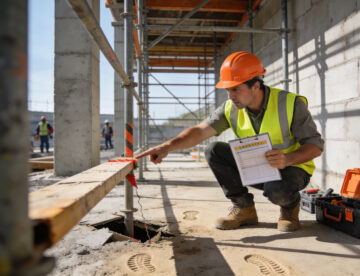
In construction, not every safety incident results in injury or damage. Sometimes, something goes wrong – but no one gets hurt. It is easy to see these moments as ‘lucky escapes’ and move on.
However, these incidents, known as near misses, are often the most important warnings a site will ever get. Whether it is a tool falling from height but missing someone or a vehicle reversing too close to a pedestrian, near misses highlight where things are starting to go wrong. Left unaddressed, the next time may not end so well. Keep reading this week’s blog to understand what near misses are and why recording them is essential for improving safety.

We’ve reached that time of year again. It’s a few weeks since the clocks turned back, the afternoons feel like night-time and many people in construction – whether on site or in office-based roles – are starting and finishing their working day in the dark.
Shorter, darker days can increase the risk of accidents on site, make commuting more hazardous and create extra opportunities for crime. The good news is that a few simple habits and precautions can make a big difference. In this blog, we look at three key areas for staying safe: working on site, driving to and from work and protecting sites from crime.

As the clock go back by one hour this coming weekend, some people may be relishing in the idea of an extra hour’s sleep. For construction workers, however, the shortening of daylight hours comes with the challenge of spending at least part of their day working and/or commuting in the dark.
In this week’s blog, we’ll explore how this time of year affects construction workers, the dangers of fatigue and how to stay safe when working or travelling in the dark.