
We’ve reached that time of year again. It’s a few weeks since the clocks turned back, the afternoons feel like night-time and many people in construction – whether on site or in office-based roles – are starting and finishing their working day in the dark.
Shorter, darker days can increase the risk of accidents on site, make commuting more hazardous and create extra opportunities for crime. The good news is that a few simple habits and precautions can make a big difference. In this blog, we look at three key areas for staying safe: working on site, driving to and from work and protecting sites from crime.

When working on a construction site, actions like lifting, bending, climbing and moving in awkward positions are often part of the everyday job. Because of that, it can be easy to think this kind of work is enough to keep you physically fit.
The fitness industry would disagree – arguing that when people who carry out physically demanding jobs also adopt a structured fitness programme, it can lead to better performance, reduce downtime and extend careers. Find out more about why fitness matters so much and download a sample programme in this week’s blog.
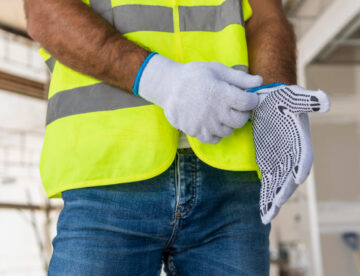
Construction work can be tough on the skin. From contact with hazardous substances to prolonged sun exposure, workers face daily risks that can lead to serious skin conditions, including dermatitis, chemical burns and even skin cancer.
Protecting your skin isn’t just about comfort – it’s essential for long-term health and safety. Find out more about the dangers and what you can do to reduce the health risks in our latest Focus on Safety blog.

This week (10th – 16th June) is Men’s Health Week. Organised by the Men’s Health Forum, the week seeks to encourage all men to talk about and address any health concerns they may be experiencing.
When we think about health risks in construction, we usually consider things like physical injuries, musculoskeletal disorders or lung issues caused by exposure to dust and pollutants. But did you know that construction also has the largest burden of occupational cancer amongst the industrial sectors? Please read this week’s blog for some advice on what you can do to reduce the risks and/or catch cancer early.

Toolbox Talks have long been a staple part of a construction team’s day, but are they truly effective? Are your crew members simply going through the motions or are they actively listening, learning and improving?
In this week’s blog, we’re sharing five simple techniques you can use to boost the engagement, understanding and impact of your next Toolbox Talk, thereby driving safer and more skillful work
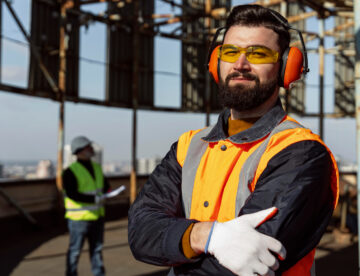
With tools and equipment in almost constant use, a construction site is generally a noisy environment.
Aside from the potential for this to cause nuisance to neighbouring communities, frequent exposure to raised noise levels can have serious consequences for workers, causing problems like tinnitus (a sensation of ringing in the ears) and hearing loss.
Find out more, including how to protect yourself from these risks in this week’s blog.
Today marks the 75th anniversary of the NHS, known worldwide as one of the first and best healthcare systems to be universally available and free at the point of delivery.
Unfortunately, while its principles are unshaken, the NHS today is under pressure due to several issues – staff shortages, backlogs from Covid and industrial action to name a few.
Is there anything the construction sector can do to help? The answer actually is ‘yes’. Construction is high-risk industry for both injuries and health issues, but focusing on preventative measures can reduce those risks (consequently reducing some of the pressure on the NHS). Read on to find out more.
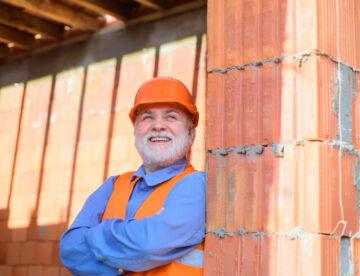
Whilst modern techniques, tools and innovations have brought some changes to the way on-site construction workers perform their duties, they still generally have to carry out physically demanding tasks in sometimes harsh conditions.
Day after day, year after year, you might think that surely such labour takes its toll, so how is it the case that, even as the workforce ages, a great many construction workers remain physically able to handle the strain? The answer it appears is because they have ‘physical wisdom’. Find out what this means in this week’s blog.
Between July and September this year, the number of vacancies in construction soared to around 43,000 *. That’s double the amount of unfilled jobs the sector saw this time last year and the highest level ever recorded in the 20 years since the data was first collected back in 2001!
While this (alongside other issues like the rising costs of materials) might seem to be cause for concern as we head into the winter, some industry and recruitment experts believe things may be about to change. Find out more, including news of current vacancies at Sheriff, in this week’s blog.
Did you know that, in the UK, even under our usually cloudy skies, up to 80% of dangerous UV rays can still get through. And, because of their heightened exposure to the sun, five outdoor workers a day in Britain get skin cancer and 60 people lose their life every year as a direct result. We hate to spoil the mood on this lovely, warm September day but, with the sun shining down on our outdoor workforce, it’s a good time to remind everyone of the dangers of the sun’s ultraviolet (UV) rays and it’s relation to what’s sometimes called the ‘invisible killer’. Find out what you can do to minimise the risk in today’s blog.