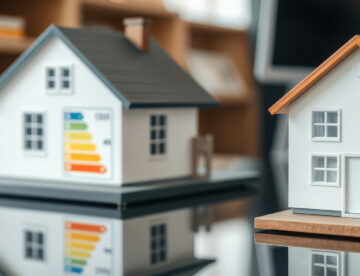
The Future Homes Standard has been widely discussed across the construction and housing sectors in recent months, as government sets out plans to improve the energy performance of new homes.
While much of the focus has been on timelines and policy changes, the core message is clear. The way new homes are designed and built is evolving, with a stronger focus on energy efficiency, lower carbon emissions and long-term affordability for homeowners.
Take a look at this week’s blog to understand what the Future Homes Standard involves and what it could mean for the future of housebuilding.
Across the world, people from all continents are witnessing the destructive effects of climate change – droughts, floods, wildfires, extended heatwaves. storms and crop failures.
When you consider this, alongside the rocketing increases in energy prices that’s causing many households and businesses to struggle with their bills, it’s clear that reducing the amount of energy we all use is now urgent – for both our planet and our purses.
One solution that we’re hearing mentioned more frequently within the construction world is the ‘Fabric First’ approach – changes that can be made when considering the design, construction and ‘fabric’ of a building to ensure it becomes energy efficient. In this week’s blog, we’ll tell you more.