
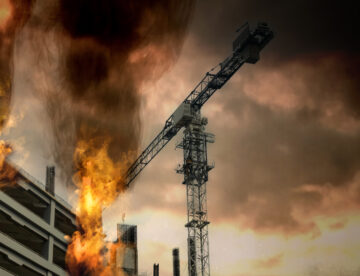
After weeks of hot, dry weather, recent wildfires across the UK have provided a stark reminder of just how quickly fire can take hold. And while temperatures may be starting to fall, large parts of England remain affected by drought, leaving ground and vegetation exceptionally dry.
Construction sites always carry potential fire risks, but these conditions provide another reason to take a fresh look at how those risks are being managed. With much of the country still tinder dry, read on as we look at some of the most common causes of construction site fires and the practical steps that can help prevent them.
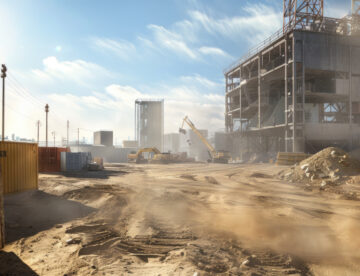
On a hot, dry summer’s day, it doesn’t take much for dust to become part of the job. A passing dumper, a quick cut through concrete or a few minutes of sweeping can send fine particles into the air. While it may seem little more than a nuisance, construction dust can pose serious risks to workers’ health and to those living and working nearby.
The good news is that dust doesn’t have to be such a problem. By understanding the risks and adopting the right control measures, contractors can protect their workforce, minimise disruption to neighbouring communities and maintain cleaner, safer sites throughout the summer months. Keep reading to discover why dust control matters and the practical steps every construction site can take.
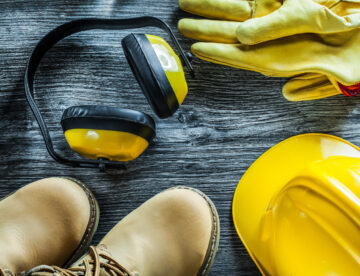
Personal protective equipment, or PPE, remains one of the most visible and recognisable elements of construction site safety. Hard hats, high-visibility clothing, safety glasses and protective footwear are all part of everyday working life on site.
But while PPE may feel routine, it should never be taken for granted. It is often described as the last line of defence – the final protective layer when other control measures cannot fully eliminate safety risks. Used correctly, PPE helps prevent serious injury; using it incorrectly or while damaged can give a false sense of security.
In this week’s Focus on Safety feature, we look at why PPE is so important, when it is required, and how to ensure it is properly fitted, maintained and inspected.
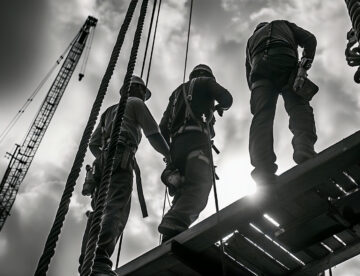
In the UK, falls from height are consistently one of the leading causes of workplace fatalities, particularly within the construction sector. This makes effective fall protection an essential part of any safe working environment. Understanding what fall protection involves and how to implement it properly helps keep workers safe and ensures sites remain compliant, efficient and productive for everyone involved.
Keep reading this week’s blog to learn more about why fall protection matters, the hierarchy of protection measures that should be deployed and how to ensure equipment such as personal fall arrest systems are used correctly on site.

We’ve reached that time of year again. It’s a few weeks since the clocks turned back, the afternoons feel like night-time and many people in construction – whether on site or in office-based roles – are starting and finishing their working day in the dark.
Shorter, darker days can increase the risk of accidents on site, make commuting more hazardous and create extra opportunities for crime. The good news is that a few simple habits and precautions can make a big difference. In this blog, we look at three key areas for staying safe: working on site, driving to and from work and protecting sites from crime.

From tower cranes shifting steel beams to hoists raising materials up tall façades, lifting equipment is central to modern construction. But along with that power comes huge responsibility. When lifting operations go wrong, the consequences can be catastrophic – collapse, dropped loads, people getting struck or even fatally injured.
In this week’s blog, we’ll cover why mechanical lifting demands rigorous planning and control and share some practical DO’s and DON’Ts based on HSE guidance.

Over the summer months, we used this blog to explore some of the most popular construction careers – from bricklaying and roofing to carpentry, plumbing, painting and decorating. These are quite different roles in terms of skills and daily tasks, but they share one common requirement: if you want to work on a construction site, you’ll almost certainly need a CSCS card.
So, what exactly is a CSCS card, why is it so important and how do you go about getting one? Read on to find out everything you need to know.

Construction work can be tough on the skin. From contact with hazardous substances to prolonged sun exposure, workers face daily risks that can lead to serious skin conditions, including dermatitis, chemical burns and even skin cancer.
Protecting your skin isn’t just about comfort – it’s essential for long-term health and safety. Find out more about the dangers and what you can do to reduce the health risks in our latest Focus on Safety blog.
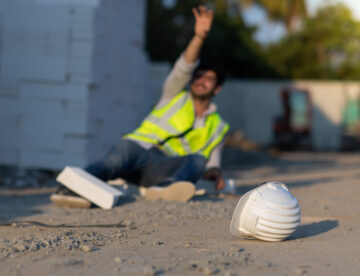
Falling objects pose a significant threat to worker safety on UK construction sites. These incidents can result in serious injuries and even fatalities, making it absolutely for everyone on site to understand what can cause an object to fall and how to implement effective prevention strategies.
For this week’s blog, we’re returning to our ‘Focus on Safety’ series and looking into this critical issue in more detail.
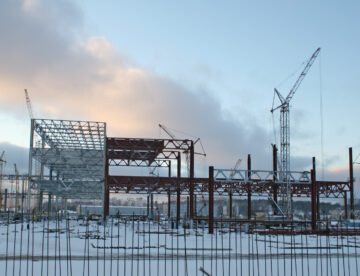
Cold Arctic air across the UK is leading to widespread hard frosts and some of the coldest sub-zero temperatures so far this winter.
While snow cumulations are often the most disruptive, for the construction industry it’s equally important to address the increased risks posed by freezing temperatures and icy conditions on-site. Preparation is key to ensuring safety and productivity during the winter months so read this week’s blog for some critical information and tips.