
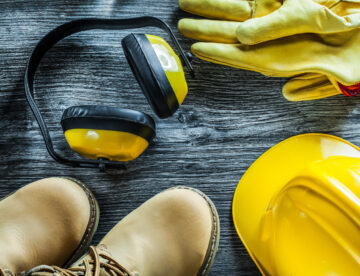
Personal protective equipment, or PPE, remains one of the most visible and recognisable elements of construction site safety. Hard hats, high-visibility clothing, safety glasses and protective footwear are all part of everyday working life on site.
But while PPE may feel routine, it should never be taken for granted. It is often described as the last line of defence – the final protective layer when other control measures cannot fully eliminate safety risks. Used correctly, PPE helps prevent serious injury; using it incorrectly or while damaged can give a false sense of security.
In this week’s Focus on Safety feature, we look at why PPE is so important, when it is required, and how to ensure it is properly fitted, maintained and inspected.
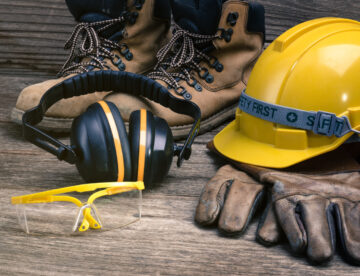
The British Safety Industry Federation (BSIF) is warning anyone whose job involved buying personal protective equipment (PPE) and safety products to be vigilant after their latest tests on some key products highlight the widespread availability of substandard and dangerous items.
Between December 2022 and December 2023, the federation examined 123 non-BSIF-registered products, assessing them for performance, adequacy and compliance with standards. Shockingly, only 21% products proved fully compliant, leaving 79% falling short. Worryingly, many of these substandard products are still available and in use. Find out more, including how to avoid buying such products, in this week’s blog.
Over the past two years, the term PPE has become a big part of our everyday language, most often associated with the kind of face coverings we’ve all used during the coronavirus pandemic.
But, now that COVID seems to have moved out of the media spotlight, perhaps it’s a good time to remember that PPE (personal protective equipment) has always meant much more to the construction industry.
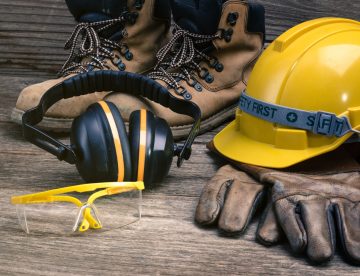
In this week’s blog, we’re looking at five key areas of the body that especially require protection (head, face/eyes, ears, hands and feet) and sharing some tips on how to select and properly use the necessary PPE.
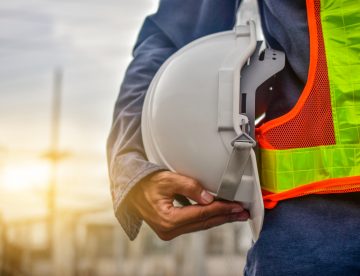
Without the right PPE, a construction site can become a very dangerous place and this is especially true when it comes to head injuries. But did you know that hard hats represent only 3% of PPE purchases in our industry and that only 6% of workers who have had a head injury at work seek medical attention? In response to these and other startling statistics, the brain injury charity, ‘Headway’, designated one week this June as Hard Hat Awareness Week, urging everyone in the industry to audit their head-protecting equipment. Read on to find out more about what you can do to safeguard yourself against a life-changing head injury.
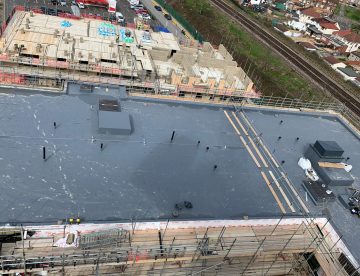
When working with hot melt or torch-on systems, the roofing environment can easily become hazardous. But, if workers are committed to following the right safety procedures and have an attitude where safety always comes first, any potential hazards can just as easily be avoided. We’ve just issued all our operatives with a detailed Toolbox Talk to ensure their understanding of this issue is completely up-to-date. Here, we share some of some of the key points.