
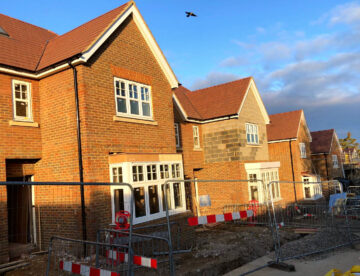
When discussing the challenges facing the housebuilding sector, conversations often focus on planning delays, rising material costs, labour shortages and access to land. However, a recent report has highlighted another issue that many people may be less familiar with – council tax charges on newly built homes that remain unoccupied and unsold.
The issue is attracting growing attention across the industry, with concerns that it is creating additional financial pressure for SME housebuilders at a time when housing delivery is already facing a range of social and economic constraints. Find out more about the issue and what changes are being proposed in our latest blog.

The government has recently set out proposals to support the development of a new generation of towns across England, marking one of the most ambitious approaches to housebuilding in decades.
While the headlines focus on housing numbers, the wider ambition is clear. These developments are intended to go beyond simply delivering homes, instead creating well-planned communities that benefit from the infrastructure, services and amenities needed to support long-term growth. Keep reading this week’s blog to understand what the new towns programme involves and what it could mean in practice.

Housebuilders are applauding a report by the Competition and Markets Authority (CMA) that pins the blame for the UK’s housing shortage on the country’s planning system, not on construction companies.
A few weeks ago, the CMA released the final results of its year-long investigation into the housebuilding market. While the initial media focus was on potential collusion among eight major builders, the industry’s deeper interest lies in the report’s findings on planning. Read on to find out more.