
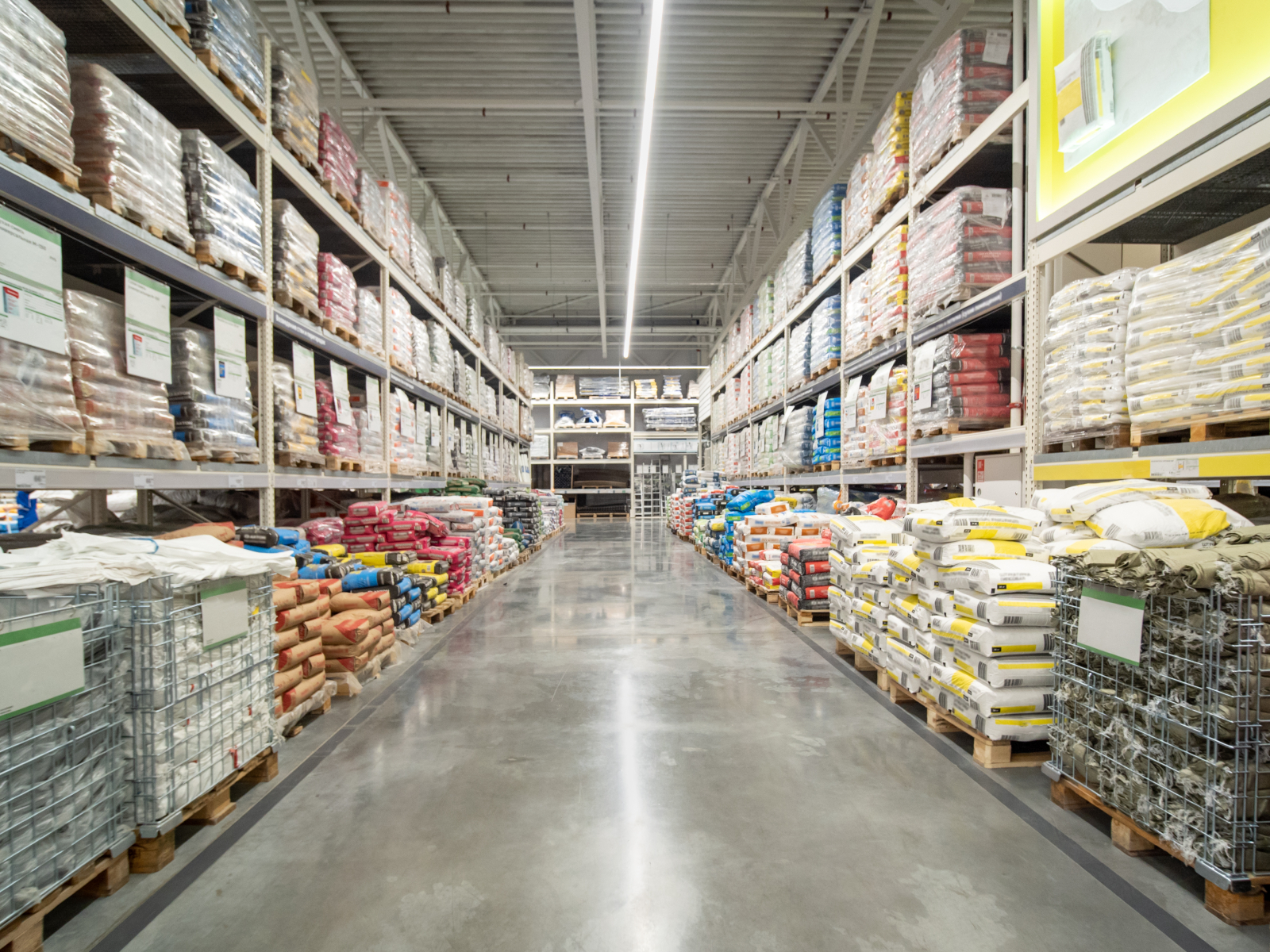
Every construction project depends on a complex supply chain, from the manufacturers producing building materials to the suppliers delivering them and the specialist contractors carrying out the work.
But when choosing who to work with and what products to purchase, should decisions be based solely on price, availability and quality? Or should we also be thinking about the wider environmental, economic and social impacts of those choices?
As responsible procurement becomes an increasingly important consideration across the construction industry, read on to find out what this means in practice, why it matters and how we’re working to embed these principles at Sheriff.
Why does procurement matter for sustainability?
Construction work uses significant quantities of materials, energy and natural resources. The manufacture, transportation, installation and disposal of building products can all have environmental consequences, while the businesses involved in supplying them also influence working conditions, employment opportunities and local economies.
This means that a construction company’s impact extends well beyond what happens on its own sites. The decisions made when purchasing materials and appointing suppliers can influence everything from carbon emissions and waste generation to ethical labour practices and the resilience of the wider supply chain.
Responsible procurement is about recognising these connections and making more informed decisions. It is about reviewing sustainability factors alongside traditional considerations like cost, quality, safety and reliability to achieve better outcomes for projects, businesses, people and the environment.
What does responsible procurement look like?
Sustainable procurement is often considered through three interconnected themes: environmental, economic and social responsibility.
1. Environmental responsibility
One of the most obvious areas is reducing the environmental impact of the goods and services we purchase. In construction, good practices might include:
- Choosing materials with recycled content or more sustainable alternatives where suitable and practical.
- Considering where products originate and whether more local sourcing could reduce unnecessary transport emissions.
- Working with suppliers to minimise packaging, encourage recycling and reduce waste.
- Planning orders and deliveries efficiently to avoid unnecessary journeys, excess materials and wasted resources.
- Looking for suppliers that take steps to reduce pollution and protect biodiversity.
These decisions may seem relatively small when considered individually, but across multiple projects and supply chains, they can contribute to meaningful improvements.
2. Economic responsibility
Sustainable procurement also needs to make good commercial sense.
Choosing the cheapest product or supplier isn’t always the most economical decision when factors such as durability, reliability, maintenance and delivery performance are considered.
A product that performs well and lasts longer, for example, may provide better overall value than a cheaper alternative that requires frequent replacement. Similarly, working with reliable suppliers can reduce delays, avoid unnecessary costs and support consistent project delivery.
Responsible procurement also means treating suppliers fairly, maintaining transparent purchasing processes and considering opportunities to support local and UK-based businesses.
3. Social and ethical responsibility
Construction businesses have a responsibility to consider not only how products are made and supplied, but also the conditions experienced by the people involved and the standards maintained throughout their supply chain. Good practices include:
- Checking that suppliers comply with relevant employment and human rights legislation.
- Taking steps to identify and prevent modern slavery, forced labour and child labour.
- Encouraging fair pay, safe working conditions and respectful employment practices.
- Expecting honesty, transparency and compliance with anti-bribery legislation.
- Providing fair opportunities for suppliers to demonstrate their capabilities, including smaller businesses where appropriate.
This is particularly important in an industry where supply chains can be extensive and involve multiple organisations, locations and stages of production.
What do we expect from our supply chain at Sheriff?
At Sheriff Construction, responsible procurement forms part of our wider Sustainability Strategy and our approach to managing suppliers.
Our Supply Chain and Supplier Control Procedure sets out how we assess, approve, monitor and review suppliers, with the level of assessment reflecting the risks associated with the products or services they provide.
For our critical suppliers in particular, we expect evidence of environmentally responsible practices, compliance with environmental legislation, support for waste reduction and pollution prevention, and consideration of sustainable sourcing and biodiversity impacts.
We also expect appropriate ethical standards, including compliance with modern slavery and anti-bribery legislation, the prohibition of forced and child labour, transparent business practices and payment of the Living Wage. All of these requirements are considered alongside quality, safety, reliability and operational capability factors.
Our Sustainability Strategy also identifies several procurement priorities, including sourcing more materials and services from UK-based businesses, exploring recycled-content products and sustainable alternatives, and working with suppliers to reduce unnecessary packaging and waste.
One of our specific targets is to maintain at least 98% of materials and services procured from suppliers operating within the UK, helping to support local and national economies while reducing unnecessary transport-related impacts where possible.
Building knowledge and improving practices
Responsible procurement isn’t something that can be achieved simply by introducing a policy or asking suppliers to complete a questionnaire. It also depends on the knowledge and decisions of the people involved in purchasing, specifying materials, managing projects and working with suppliers.
That’s why developing awareness across our team is another important part of our approach. Some of our team have undertaken sustainable procurement training through the Supply Chain Sustainability School and shared learning resources with colleagues to build understanding and encourage good practices in our everyday work.
A journey of continual improvement
In construction, it’s important to recognise that procurement choices will always involve balancing competing priorities, including cost, availability, performance, safety, programme requirements and environmental or social considerations.
There will also be situations where more sustainable alternatives are not yet available, commercially viable or suitable for a particular project.
The important thing is to keep asking questions, improving our understanding and looking for opportunities to make better decisions. For Sheriff, that means continuing to strengthen our supplier relationships, develop our team’s knowledge and embed responsible purchasing practices into the way we work.
When it comes to creating a more sustainable construction industry, what we choose to buy, where we buy it from and who we choose to work with all matter.
What do you think construction businesses could do to make their supply chains more sustainable?
Share your thoughts by commenting on our Facebook or LinkedIn pages.
27.10.2026
Feature image: Fascinadora/Shutterstock.com