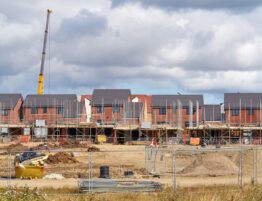
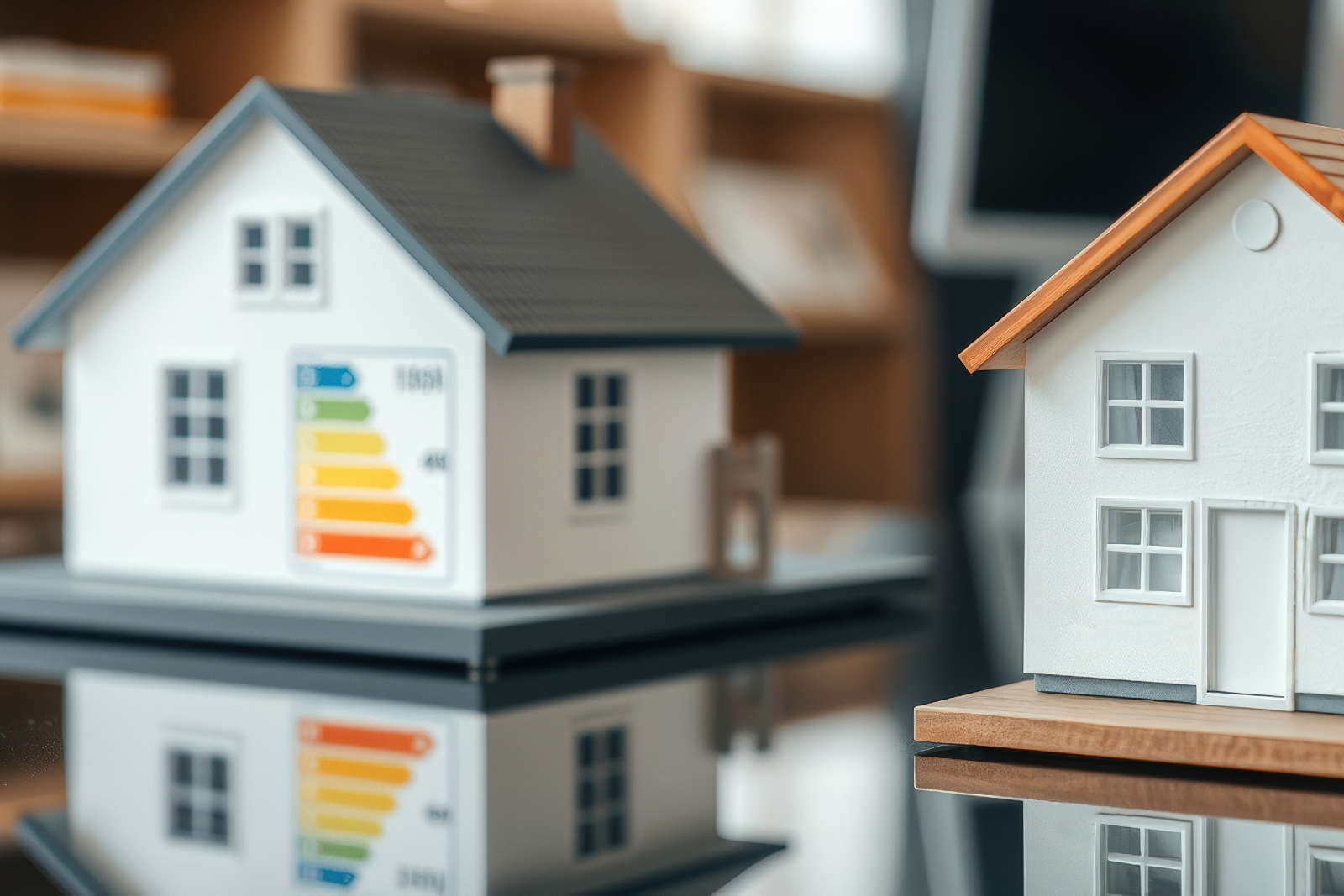
The Future Homes Standard has been widely discussed across the construction and housing sectors in recent months, as government sets out plans to improve the energy performance of new homes.
While much of the focus has been on timelines and policy changes, the core message is clear. The way new homes are designed and built is evolving, with a stronger focus on energy efficiency, lower carbon emissions and long-term affordability for homeowners.
Take a look at this week’s blog to understand what the Future Homes Standard involves and what it could mean for the future of housebuilding.
What is the Future Homes Standard?
The Future Homes Standard is a set of proposed building regulations aimed at ensuring that new homes are significantly more energy efficient and produce far lower carbon emissions than those built under previous standards.
In simple terms, it is about creating homes that are ‘zero carbon ready’, meaning they will not require major retrofitting in the future as the UK continues its transition towards net zero.
The intention is that new homes built under the standard will be more comfortable to live in, cheaper to run and better aligned with long-term environmental goals.
What will change in practice?
For those involved in construction, the Future Homes Standard represents a shift in both design and delivery.
- One of the most significant changes is the move away from traditional gas boilers towards low-carbon heating systems, particularly heat pumps. These systems are designed to improve efficiency while reducing reliance on fossil fuels.
- There is also a greater emphasis on the overall performance of the building fabric. This includes improved insulation, better airtightness and higher-quality construction methods to minimise heat loss.
- In addition, renewable technologies such as solar panels are expected to play a more prominent role in new developments, helping to generate clean energy on site and further reduce running costs for residents.
Taken together, these changes are intended to create homes that are not only more sustainable, but also more cost-effective over the long term.
What this means for the construction industry
For the construction sector, the Future Homes Standard presents both opportunities and challenges.
On one hand, it reinforces the direction of travel towards higher quality, more energy-efficient homes. On the other, it requires changes in how projects are designed, specified and delivered. This includes the need for new skills and training, particularly around low-carbon technologies such as heat pumps, as well as closer collaboration across the supply chain to ensure materials and systems meet the required standards.
There are also practical considerations around cost, programme and delivery. As with any major regulatory change, ensuring that standards are both ambitious and achievable will be key to successful implementation. Neil Jefferson, CEO of the Home Builders Federation, highlighted some of these challenges, stating:
“The government has really pushed the number of solar panels that are required on rooftops right to the limit, we think 60% of homes can’t actually reach that standard. Each home will have to be looked at individually. There are some challenges within the process [and] we don’t want bottlenecks.”
This reflects a wider industry view that, while the direction of travel is positive, practical delivery will require careful planning, flexibility and collaboration to avoid delays and ensure targets can be met in a realistic and consistent way.
What this means for homeowners and communities
For homeowners, the benefits are more tangible. More energy-efficient homes can lead to lower running costs, improved comfort and reduced exposure to fluctuating energy prices. As standards improve, energy performance is also becoming an increasingly important factor in the overall value and desirability of a home.
For communities, the wider impact is equally important. Better performing homes contribute to lower emissions, support environmental targets and help create more sustainable places to live.
Looking ahead
The Future Homes Standard is a significant step in the ongoing evolution of housing in the UK. While there are still details to be finalised and challenges to address, the direction is clear. Energy efficiency, sustainability and long-term performance are becoming central to how new homes are built.
For the construction industry, this is an opportunity to adapt, innovate and continue delivering homes that meet the needs of both today and the future.
What are your thoughts on the Future Homes Standard and its impact on construction? Share your views with us on our Facebook or LinkedIn pages.
31.03.2026
Feature image: Magnific