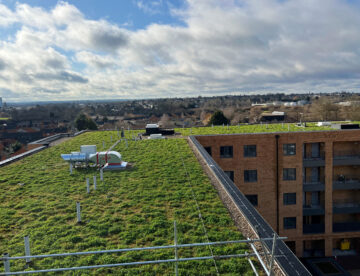
After another summer of unusually high temperatures in the UK, conversations about how our buildings respond to a changing climate are becoming increasingly difficult to ignore.
But while much of the focus around climate change in construction has understandably been on reducing carbon emissions and improving energy efficiency, there’s another question we need to consider: Will the buildings we’re constructing today still perform effectively in the climate they’ll experience 20, 30 or even 50 years from now?
That’s the question being raised by the National Federation of Roofing Contractors (NFRC), which is calling for climate resilience to become a standard consideration when roofs are designed, refurbished and maintained. Keep reading to find out more.

Sustainability is becoming an increasingly important part of the construction industry, with businesses under growing pressure to reduce environmental impacts, deliver social value and demonstrate responsible business practices.
While we already have a strong set of policies and procedures in place at Sheriff Construction, there is always more to learn and opportunities to improve. That is why we became a member of the Supply Chain Sustainability School. We have already achieved Bronze level membership and are currently working towards Silver. Read on to find out more about the School and how it is helping us strengthen our approach to sustainability across the business.
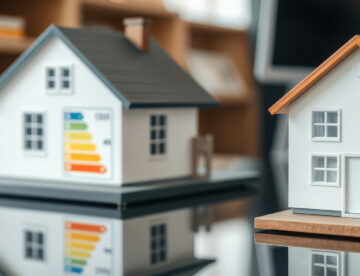
The Future Homes Standard has been widely discussed across the construction and housing sectors in recent months, as government sets out plans to improve the energy performance of new homes.
While much of the focus has been on timelines and policy changes, the core message is clear. The way new homes are designed and built is evolving, with a stronger focus on energy efficiency, lower carbon emissions and long-term affordability for homeowners.
Take a look at this week’s blog to understand what the Future Homes Standard involves and what it could mean for the future of housebuilding.

From daily travel to site, to deliveries of materials and the movement of plant and equipment, vehicle use is an unavoidable part of how construction operates. However, it also contributes significantly to carbon emissions and the overall environmental impact of the sector.
At Sheriff Construction, reducing carbon emissions associated with transport is a key priority. We have taken a proactive approach to improving how we manage vehicles, travel and logistics across the business. Read on to find out what we are doing to reduce our transport-related carbon footprint.
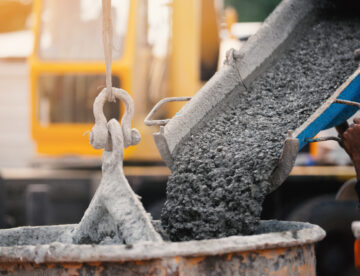
The construction industry is responsible for a sizeable portion of global carbon emissions, largely due to the production of cement. But what if the very process of building could help capture carbon instead of releasing it? Scientists at Nanyang Technological University, Singapore (NTU Singapore) have developed an innovative 3D concrete printing method that seems to do just that.
By capturing and storing carbon dioxide (CO2) within concrete during the printing process, this new method offers a promising step towards more sustainable construction. How does it work? Read this week’s blog to learn more.

As the world grapples with challenges like climate change and economic uncertainty, the construction industry is adapting and innovating at an unprecedented pace, so for this week’s blog, we’re asking what’s in store for 2024?
From technological advancements to an increased focus on the adoption of sustainable materials and practices, here are just three thought-provoking trends to watch in the coming year.
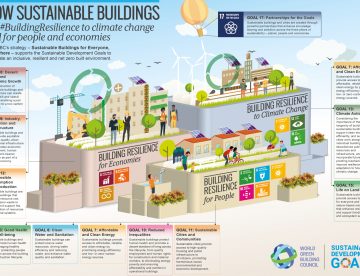
Calling on the world’s built environment to focus on delivering sustainable buildings for everyone, everywhere, World Green Building Week is the largest campaign of its kind.
So, although the official campaign, which is organised annually by the World Green Building Council, was officially last week (20th – 24th September), perhaps something this important deserves our attention every week! Read on for all the detail.

In his book, ‘A Life On Our Planet’, Sir David Attenborough paints a bleak picture of what lies ahead if humanity continues to live as unsustainably as it is currently. It’s not a complete picture of doom and gloom, however, as he also lays out a series of actions we might take to prevent further damage and actually reverse some of the impact we have had on the natural world. A key part of that involves switching from a mindset that’s addicted to growth to a focus on a new sustainable measure of success involving the three Ps – people, planet and profit. Read on to find out more about this, including what we in the construction industry can do to embrace this way of thinking.