

We’ve reached that time of year again. It’s a few weeks since the clocks turned back, the afternoons feel like night-time and many people in construction – whether on site or in office-based roles – are starting and finishing their working day in the dark.
Shorter, darker days can increase the risk of accidents on site, make commuting more hazardous and create extra opportunities for crime. The good news is that a few simple habits and precautions can make a big difference. In this blog, we look at three key areas for staying safe: working on site, driving to and from work and protecting sites from crime.
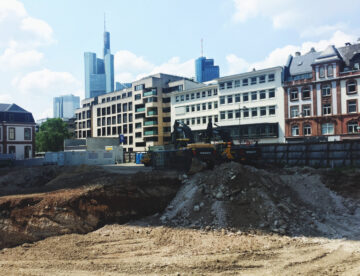
With the housing crisis consistently listed among the top five issues facing the UK, it’s been interesting to note what the two main political parties are saying about this in the run up to the general election.
While the conservative party have not revealed many housing-related plans as yet, Labour are promising to build 1.5m new homes in the first five years of a labour government and say that brownfield sites will be the number one priority. As a subject that’s close to our business, we thought we’d use this week’s blog to explore the pros and cons of building on brownfield sites.
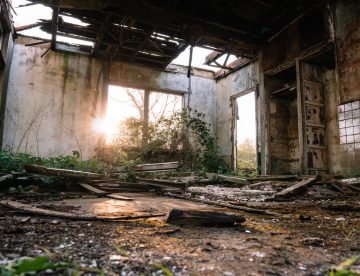
According to CPRE The Countryside Charity, the UK has over 25,000 hectares of brownfield land across 21,000 sites. Many are run-down plots of land that represent all kinds of safety hazards and, when stuck in such poor condition for several years, they become a real blot on the landscape. So what should all this land be used for? A survey carried out by Romal Capital found that 59% of the British public would opt for either the building of modern, efficient homes and communities to help solve the ongoing housing crisis or cultural landmarks. Read more about both the survey and the work we’re doing to prioritise brownfield development in this week’s blog.