
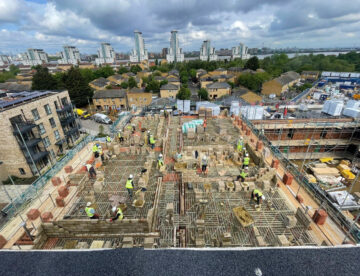
The construction industry never stands still. From housing delivery and skills shortages to building safety and infrastructure investment, the latest headlines highlight both the challenges and opportunities facing contractors, clients and communities across the UK.
As we move further into autumn, this week’s blog takes a quick look at five of the issues we’re watching closely – and why they matter for the wider industry.
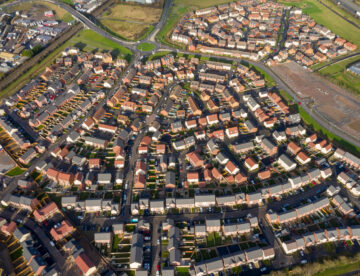
With speculation continuing around Andy Burnham potentially becoming the UK’s next Prime Minister, attention is beginning to turn to what a Burnham-led government could mean for different sectors of the economy – including construction.
Much remains uncertain and any policy proposals would, of course, need to progress through Parliament before becoming reality. However, the National Federation of Roofing Contractors (NFRC) has recently published its analysis of the possible implications for the built environment. Drawing on this, today’s blog explores five areas that construction businesses may wish to keep an eye on.

Deaf Awareness Week (4 – 10 May) is an important opportunity to recognise the experiences of people who are deaf or have hearing loss, and to reflect on how we can create more inclusive environments in everyday life and at work.
Last year, we marked this week by sharing a blog on communication challenges in construction and how simple changes can make a big difference. That piece led to something far more meaningful than we could have anticipated – it connected us with a local college and Rehan, a student looking for an opportunity in the industry. Read on to learn more about Deaf Awareness Week, Rehan’s story and how we can all communicate more effectively.
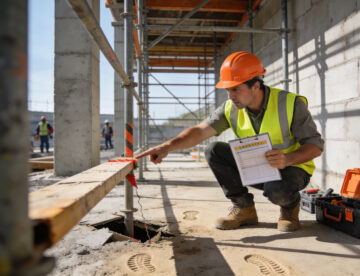
In construction, not every safety incident results in injury or damage. Sometimes, something goes wrong – but no one gets hurt. It is easy to see these moments as ‘lucky escapes’ and move on.
However, these incidents, known as near misses, are often the most important warnings a site will ever get. Whether it is a tool falling from height but missing someone or a vehicle reversing too close to a pedestrian, near misses highlight where things are starting to go wrong. Left unaddressed, the next time may not end so well. Keep reading this week’s blog to understand what near misses are and why recording them is essential for improving safety.

The Future Homes Standard has been widely discussed across the construction and housing sectors in recent months, as government sets out plans to improve the energy performance of new homes.
While much of the focus has been on timelines and policy changes, the core message is clear. The way new homes are designed and built is evolving, with a stronger focus on energy efficiency, lower carbon emissions and long-term affordability for homeowners.
Take a look at this week’s blog to understand what the Future Homes Standard involves and what it could mean for the future of housebuilding.

We’ve reached that time of year again. It’s a few weeks since the clocks turned back, the afternoons feel like night-time and many people in construction – whether on site or in office-based roles – are starting and finishing their working day in the dark.
Shorter, darker days can increase the risk of accidents on site, make commuting more hazardous and create extra opportunities for crime. The good news is that a few simple habits and precautions can make a big difference. In this blog, we look at three key areas for staying safe: working on site, driving to and from work and protecting sites from crime.
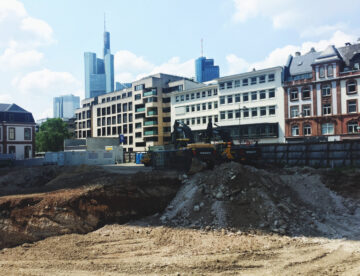
With the housing crisis consistently listed among the top five issues facing the UK, it’s been interesting to note what the two main political parties are saying about this in the run up to the general election.
While the conservative party have not revealed many housing-related plans as yet, Labour are promising to build 1.5m new homes in the first five years of a labour government and say that brownfield sites will be the number one priority. As a subject that’s close to our business, we thought we’d use this week’s blog to explore the pros and cons of building on brownfield sites.
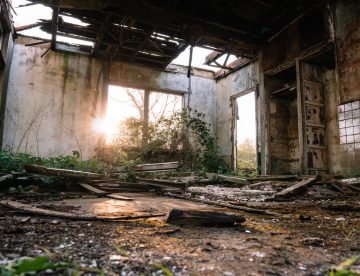
According to CPRE The Countryside Charity, the UK has over 25,000 hectares of brownfield land across 21,000 sites. Many are run-down plots of land that represent all kinds of safety hazards and, when stuck in such poor condition for several years, they become a real blot on the landscape. So what should all this land be used for? A survey carried out by Romal Capital found that 59% of the British public would opt for either the building of modern, efficient homes and communities to help solve the ongoing housing crisis or cultural landmarks. Read more about both the survey and the work we’re doing to prioritise brownfield development in this week’s blog.