
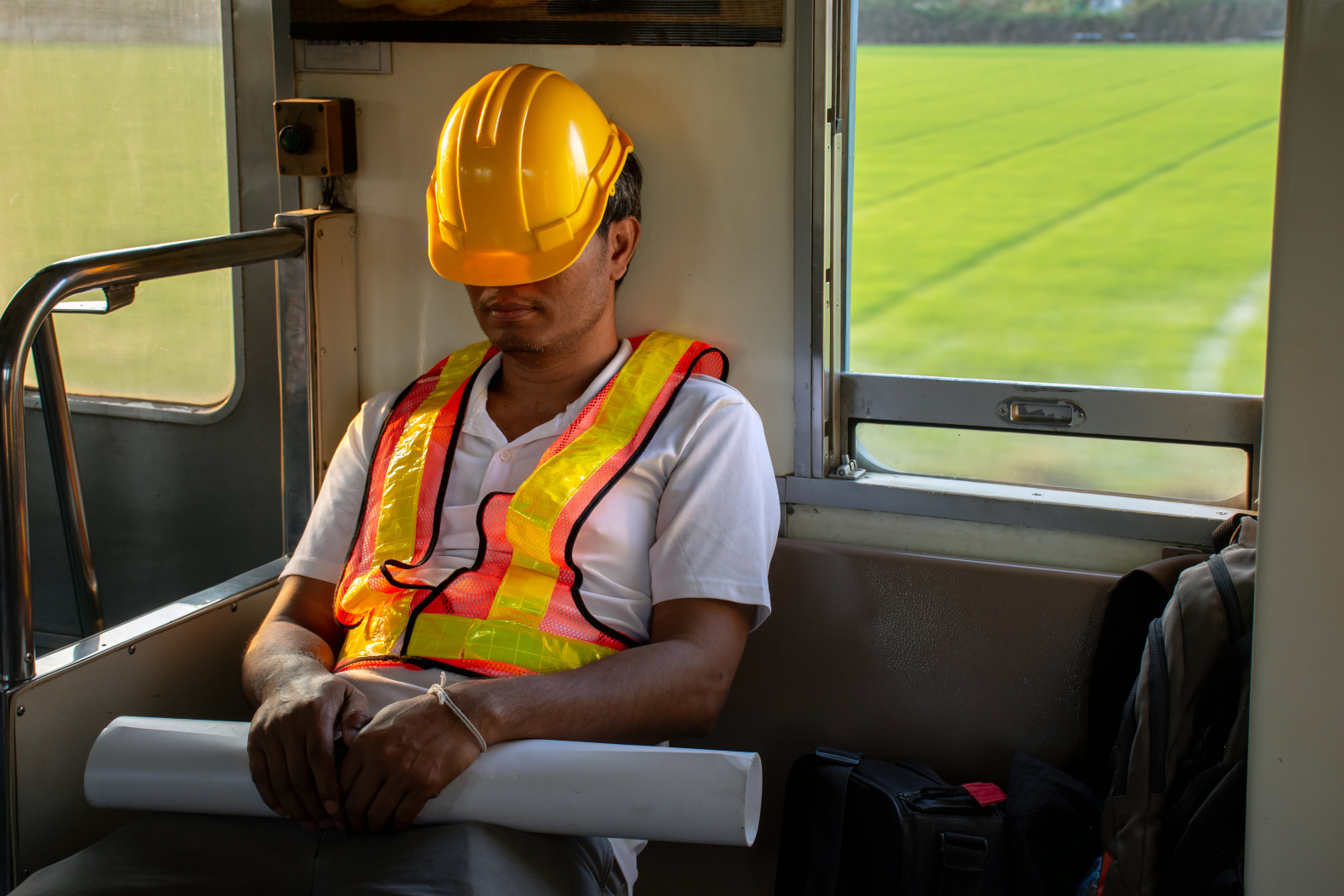
Construction can be a rewarding industry to work in, but it can also be demanding. Tight deadlines, long hours, financial pressures and the responsibility of delivering projects safely and efficiently can all take their toll on people’s wellbeing.
While there has been growing awareness of mental health in recent years, many within the industry believe more needs to be done to address the factors that contribute to poor mental health in the first place. That is the thinking behind a newly published Mental Health Joint Code of Practice so read on to find out more about this initiative and what it could mean for the future of mental health in construction.
What is the Mental Health Joint Code of Practice?
The Mental Health Joint Code of Practice has been developed through the Construction Leadership Council (CLC) to help construction businesses better understand and address the workplace factors that can affect mental health.
Rather than focusing solely on supporting people once they are struggling, the Code encourages organisations to look at the root causes of poor mental health and consider how working environments, management practices and industry culture can contribute to wellbeing.
The initiative has been developed through extensive consultation with people from across the construction sector and is intended to provide a practical framework that organisations of all sizes can use to improve outcomes for their workforce.
Why is it needed?
Mental health remains a significant issue both within construction and society more broadly.
Many of the pressures experienced by construction workers are not unique to the industry, but they can be amplified by the nature of the work. Factors such as long working hours, demanding programmes, job insecurity, financial pressures and time spent away from family can all have an impact on mental wellbeing.
Research undertaken as part of the development of the Code also highlighted issues such as loneliness, lack of control over work, poor welfare provision and workplace culture as factors that can contribute to poor mental health.
While awareness campaigns and support services remain important, many in the industry now recognise the value of taking a more preventative approach to mental health.
A shift towards prevention
Over recent years, construction businesses have become increasingly proactive in encouraging conversations around mental health and signposting people towards support when they need it. These efforts remain vital and have helped reduce some of the stigma that once surrounded the topic.
The Code builds on this progress by asking a different question: what can organisations do to reduce the workplace pressures that may be contributing to the development of poor mental health?
Preventative methods could include reviewing workloads, improving communication, strengthening management practices, providing suitable welfare facilities and creating workplace cultures where people feel supported and valued.
What can businesses do now?
While the Code provides a useful framework, there are already practical steps that organisations can take to support positive mental health.
These include encouraging open conversations, training managers to recognise the signs of poor mental health, ensuring workloads are realistic and providing access to appropriate support when it is needed.
Creating a positive workplace culture also plays an important role. When people feel listened to, respected and supported, they are often better equipped to manage the everyday pressures that come with working life.
These are all areas that Sheriff Construction has been looking into closely. In recent years, we’ve taken guidance from the Mental Health Foundation on supporting the mental wellbeing of our workforce, used resources from SOS Silence of Suicide to raise awareness and provided training for our team to ensure they have a greater understanding of mental health concerns and the values that promote a positive workplace culture.
Final thoughts
Improving mental health in construction requires both awareness-raising and action to address the pressures and workplace factors that can affect people’s wellbeing every day.
The new Mental Health Joint Code of Practice represents an important step towards helping organisations better understand those challenges and create healthier working environments for their teams. Read the full document HERE.
What are your thoughts on the new Code and the wider conversation around mental health in construction? We would love to hear your views – join the conversation with us on our Facebook or LinkedIn pages.
16.06.2026
Feature image: Magnific