
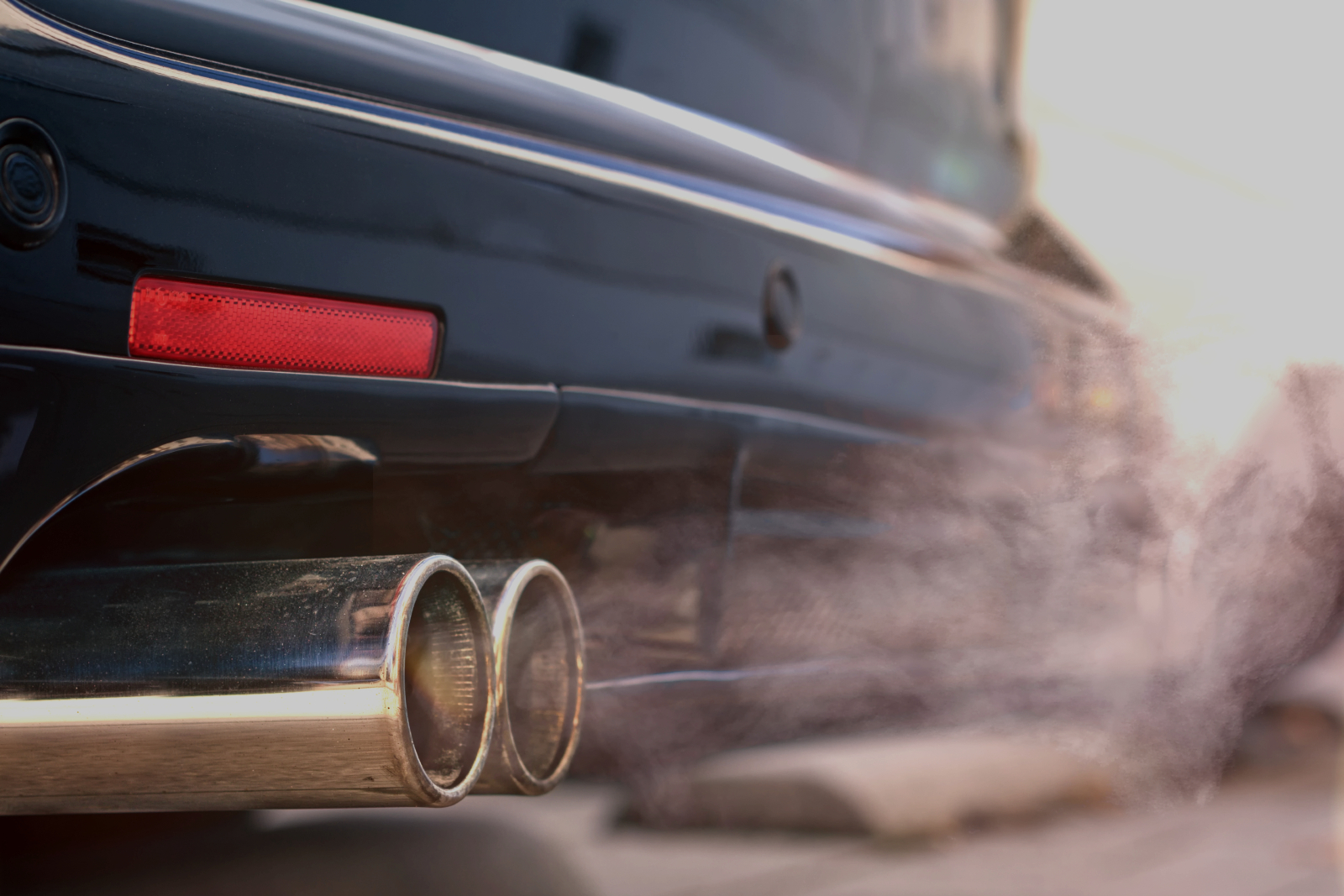
In what became the longest UN climate summit in history, the COP31 talks concluded over the weekend without an overarching agreement after the EU, the UK and several other countries rejected the ‘Antalya Pact’, which failed to make any explicit mention of fossil fuels.
But just because political consensus has not been reached, it doesn’t mean businesses should lose sight of the pressing need to build sustainability into everyday practices. One area where almost everyone can make a difference relates to our driving habits – not only when we choose to drive but also how we drive. Read on to discover some simple changes you could make to improve fuel efficiency, reduce your carbon emissions and save money along the way.
Why is it important?
Scientists have repeatedly warned about the consequences of rising global temperatures, from more frequent and intense heatwaves, flooding and droughts to rising sea levels, threats to food and water supplies and damage to natural ecosystems.
Every additional fraction of a degree of global warming increases these risks, reinforcing the importance of taking action to reduce greenhouse gas emissions wherever possible.
As we explained in last week’s blog, sustainable travel is one of the five priorities within Sheriff’s Sustainability Strategy. Alongside investing in more efficient vehicles, we’ve set ourselves a target to achieve an average annual reduction of 10% in greenhouse gas emissions from company vehicles to 2031.
However, improving fuel efficiency isn’t just about the vehicles we invest in as a business. It’s also about the choices we make as individual drivers. Whether you’re travelling to a construction site, heading into the office or making a journey in your own time, here are some good habits to adopt.
Before you set off
Improving fuel efficiency starts before you even turn on the engine.
- Consider whether you need to drive: Could you walk or cycle for shorter journeys, use public transport or share a lift with a colleague travelling in the same direction?
- Plan your journey: Check routes and traffic conditions in advance to avoid unnecessary mileage, congestion and delays. Where possible, combine several journeys into one, reducing the number of times you start your vehicle from cold.
- Keep up with vehicle maintenance: Follow the manufacturer’s recommended servicing schedule and use the correct specification of engine oil to help your vehicle operate efficiently.
- Check your tyre pressures: Under-inflated tyres make your vehicle work harder and use more fuel. Check tyre pressures at least once a month and before longer journeys, following the manufacturer’s recommendations.
- Lighten the load: Carrying unnecessary weight increases fuel consumption. If you regularly carry tools, equipment or other items in your vehicle, consider whether everything needs to be there.
- Reduce wind resistance: Remove roof boxes, racks or bars when they’re not needed, as these create extra wind resistance, meaning your vehicle has to work harder and use more fuel, particularly at higher speeds.
- Avoid warming up your engine unnecessarily: On cold mornings, it can be tempting to leave the engine running to melt ice, but this wastes fuel when a scraper or de-icer could do the job just as well! Just be sure you have clear visibility before setting off.
While you’re driving
Once you’re on the road, making a few adjustments to your driving style can help you get more miles from every tank of fuel.
- Drive smoothly: Accelerate gently and avoid sudden braking wherever possible. Look well ahead and leave sufficient space between you and the vehicle in front so you can respond gradually to changing traffic conditions.
- Maintain an appropriate speed: Higher speeds generally mean higher fuel consumption. Stay within speed limits, adjust your speed to suit road and weather conditions and avoid unnecessary fluctuations in speed.
- Use your gears efficiently: If you’re driving a manual vehicle, avoid unnecessarily high engine revs by changing into a higher gear when appropriate, without putting the engine under strain.
- Ease off the accelerator early: When approaching junctions, roundabouts, traffic lights or queues, anticipate the need to slow down rather than accelerating right up to the point where you need to brake. Remain in gear rather than coasting in neutral.
- Avoid unnecessary idling: If you’re parked or waiting for an extended period, switch off your engine when it’s safe and appropriate to do so. If your vehicle has an automatic stop/start system, make use of it.
- Use air conditioning and electrical equipment wisely: Avoid leaving energy-consuming features running when they’re no longer needed, but never compromise visibility, safety or driver comfort.
Many of these principles also apply to hybrid and fully electric vehicles, where efficient driving can help maximise battery range.
Find more advice on efficient driving from the Energy Saving Trust and the AA.
Small changes, multiple benefits
Driving more efficiently doesn’t mean compromising safety or making significant changes to your daily routine. In many cases, it’s simply about becoming more aware of your habits and making better choices.
By adopting some of the suggestions above, you could:
- Reduce your fuel consumption.
- Save money on fuel bills.
- Lower your carbon emissions.
- Reduce unnecessary wear and tear on your vehicle.
- Develop safer, more considered driving habits.
If your vehicle has a fuel economy display, why not start monitoring your average miles per gallon and see what difference these changes make over the coming weeks?
While none of us can individually resolve the global climate crisis, we can all take responsibility for the things within our control – and the way we drive is a good place to start.
What do you think?
Have you made any changes to your driving habits that have helped improve fuel efficiency? Share your tips by commenting on our Facebook or LinkedIn pages.
24.11.2026
Feature image: Magnific