

The Future Homes Standard has been widely discussed across the construction and housing sectors in recent months, as government sets out plans to improve the energy performance of new homes.
While much of the focus has been on timelines and policy changes, the core message is clear. The way new homes are designed and built is evolving, with a stronger focus on energy efficiency, lower carbon emissions and long-term affordability for homeowners.
Take a look at this week’s blog to understand what the Future Homes Standard involves and what it could mean for the future of housebuilding.

Whether you are working on site or in an office-based role, the demands of the construction industry are constant. Deadlines are tight, programmes need to be met, quality standards must be maintained and safety is always a priority. With so many moving parts, the stakes are high – and that can create significant stress if not managed effectively.
Understanding the key pressure points is the first step in addressing work-related stress, particularly in fast-paced environments like construction. Keep reading to explore what these are and what they mean in practice.

From managing complex programmes and coordinating subcontractors to handling safety, budgets and client relationships, the day-to-day reality of construction is a constant balancing act. While we cannot create more hours in the day, we can make better use of the time we have.
Effective time management in construction is not just about productivity. It directly impacts a company’s ability to deliver successful projects. Get it right and work runs smoothly. Get it wrong and delays, inefficiencies and avoidable costs quickly follow. Here are seven practical tips to help construction professionals manage their time more effectively.
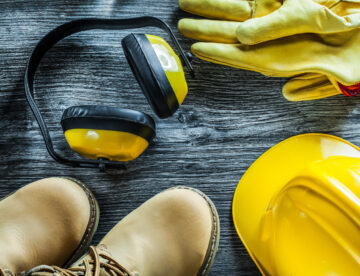
Personal protective equipment, or PPE, remains one of the most visible and recognisable elements of construction site safety. Hard hats, high-visibility clothing, safety glasses and protective footwear are all part of everyday working life on site.
But while PPE may feel routine, it should never be taken for granted. It is often described as the last line of defence – the final protective layer when other control measures cannot fully eliminate safety risks. Used correctly, PPE helps prevent serious injury; using it incorrectly or while damaged can give a false sense of security.
In this week’s Focus on Safety feature, we look at why PPE is so important, when it is required, and how to ensure it is properly fitted, maintained and inspected.