
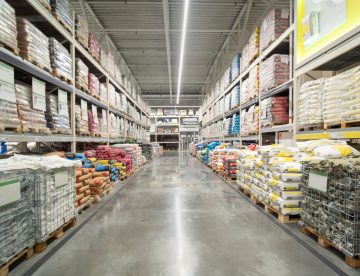
Every construction project depends on a complex supply chain, from the manufacturers producing building materials to the suppliers delivering them and the specialist contractors carrying out the work.
But when choosing who to work with and what products to purchase, should decisions be based solely on price, availability and quality? Or should we also be thinking about the wider environmental, economic and social impacts of those choices?
As responsible procurement becomes an increasingly important consideration across the construction industry, read on to find out what this means in practice, why it matters and how we’re working to embed these principles at Sheriff.

The John Lewis advert has hit the screens, supermarket shelves are starting to fill up with Christmas goodies and probably somewhere there’s a radio station already adding Mariah Carey into their playlist.
While the festive season brings joy to many, there is a darker side which sees some people falling into debt as they join in with the ‘spend, spend, spend’ ethos that will be pushed at us over weeks ahead. Businesses are not immune to this either and can, in fact, stumble into overspending habits at any time of the year. With this in mind, our blog this week focuses on some simple ideas for avoiding overspending.

With soaring energy prices, interest rate rises, some huge hikes in the cost of materials and the continuation of labour shortages, many construction industry businesses could be in for some turbulent times this year.
In many cases, the cost pressures are made worse by the fact that contractors are both tied into existing work which was based on estimations set well before the current price rises and are also busy looking at how they can respond to invitations to tenders in ways that make the jobs viable within the current circumstances. In today’s blog, we’re taking a look at what construction businesses (and those who work within them) can do to face this challenge.