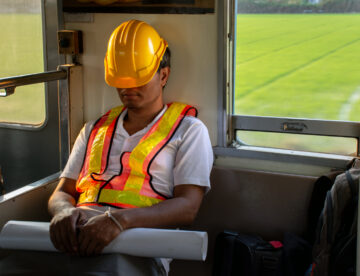
Construction can be a highly rewarding industry to work in, but it can also be demanding. Tight deadlines, long hours, financial pressures and the responsibility of delivering projects safely and efficiently can all take their toll on people’s wellbeing.
While there has been growing awareness of mental health in recent years, many within the industry believe more needs to be done to address the factors that contribute to poor mental health in the first place. That is the thinking behind a newly published Mental Health Joint Code of Practice so read on to find out more about this initiative and what it could mean for the future of mental health in construction.
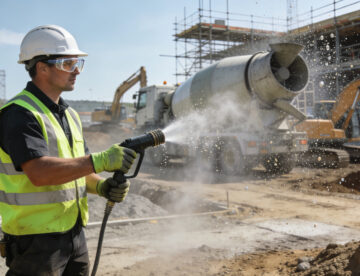
Although water availability is often taken for granted in the UK, it is in fact a finite resource and global pressures linked to climate change, population growth, pollution and increasing demand on infrastructure are placing greater strain on water resources worldwide.
Construction activity can also contribute to unnecessary water consumption and environmental harm if not managed responsibly. In the approach to World Environment Day on 5th June, why not read our blog to learn more about why this issue matters to our industry and some practical measures you can take to better manage your water use.
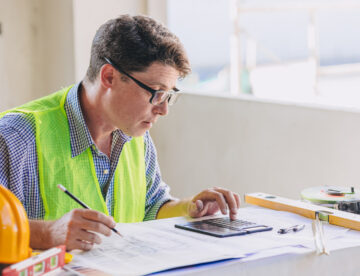
Late payment has long been a major issue across the construction industry – particularly for small and medium-sized businesses and subcontractors – often creating significant pressure on cash flow and overall financial stability.
That is why the government’s proposed Small Business Protections Bill is attracting significant attention across the sector. The Bill, which entered Parliament today (19th May), is being described as the biggest crackdown on late payments in more than 25 years. Keep reading this week’s blog to find out more about what the proposed changes involve and what this means for construction and the wider economy.

Deaf Awareness Week (4 – 10 May) is an important opportunity to recognise the experiences of people who are deaf or have hearing loss, and to reflect on how we can create more inclusive environments in everyday life and at work.
Last year, we marked this week by sharing a blog on communication challenges in construction and how simple changes can make a big difference. That piece led to something far more meaningful than we could have anticipated – it connected us with a local college and Rehan, a student looking for an opportunity in the industry. Read on to learn more about Deaf Awareness Week, Rehan’s story and how we can all communicate more effectively.

The Future Homes Standard has been widely discussed across the construction and housing sectors in recent months, as government sets out plans to improve the energy performance of new homes.
While much of the focus has been on timelines and policy changes, the core message is clear. The way new homes are designed and built is evolving, with a stronger focus on energy efficiency, lower carbon emissions and long-term affordability for homeowners.
Take a look at this week’s blog to understand what the Future Homes Standard involves and what it could mean for the future of housebuilding.
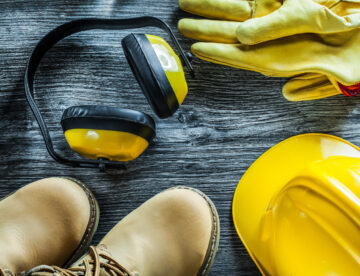
Personal protective equipment, or PPE, remains one of the most visible and recognisable elements of construction site safety. Hard hats, high-visibility clothing, safety glasses and protective footwear are all part of everyday working life on site.
But while PPE may feel routine, it should never be taken for granted. It is often described as the last line of defence – the final protective layer when other control measures cannot fully eliminate safety risks. Used correctly, PPE helps prevent serious injury; using it incorrectly or while damaged can give a false sense of security.
In this week’s Focus on Safety feature, we look at why PPE is so important, when it is required, and how to ensure it is properly fitted, maintained and inspected.

Social value in construction is embedded into how projects are commissioned, how contractors are evaluated and how success is measured across the sector. Clients and communities rightly expect businesses to demonstrate meaningful impact beyond the physical asset delivered.
At Sheriff Construction, we take that responsibility seriously. Our latest Social Value Impact Report sets out how social value is integrated across our business and the measurable difference it is making. Keep reading to see what the report reveals.

February marks Heart Month in the UK, an annual campaign led by the British Heart Foundation (BHF) to raise awareness of cardiovascular disease (also called heart and circulatory disease) and encourage people to take steps to protect their heart health.
Heart conditions remain one of the biggest health challenges facing the nation, affecting millions of people and impacting families, workplaces and the NHS.
Keep reading this week’s blog to find out more about these conditions and what you can do this Heart Month to look after your heart and support lifesaving work.

From daily travel to site, to deliveries of materials and the movement of plant and equipment, vehicle use is an unavoidable part of how construction operates. However, it also contributes significantly to carbon emissions and the overall environmental impact of the sector.
At Sheriff Construction, reducing carbon emissions associated with transport is a key priority. We have taken a proactive approach to improving how we manage vehicles, travel and logistics across the business. Read on to find out what we are doing to reduce our transport-related carbon footprint.

The UK Chancellor’s 2025 Autumn Budget delivered last week has sparked major conversation across the country – not least within construction, where decisions around infrastructure, taxation, workforce development and wage costs will all impact the sector, some positively and some negatively.
So, what are the key measures, and how might they help or hinder construction? In this week’s blog, we’re aiming for a balanced breakdown by highlighting some of the pros and cons.