
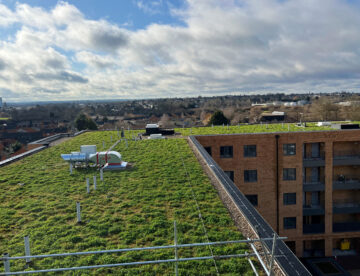
After another summer of unusually high temperatures in the UK, conversations about how our buildings respond to a changing climate are becoming increasingly difficult to ignore.
But while much of the focus around climate change in construction has understandably been on reducing carbon emissions and improving energy efficiency, there’s another question we need to consider: Will the buildings we’re constructing today still perform effectively in the climate they’ll experience 20, 30 or even 50 years from now?
That’s the question being raised by the National Federation of Roofing Contractors (NFRC), which is calling for climate resilience to become a standard consideration when roofs are designed, refurbished and maintained. Keep reading to find out more.

Sustainability is becoming an increasingly important part of the construction industry, with businesses under growing pressure to reduce environmental impacts, deliver social value and demonstrate responsible business practices.
While we already have a strong set of policies and procedures in place at Sheriff Construction, there is always more to learn and opportunities to improve. That is why we became a member of the Supply Chain Sustainability School. We have already achieved Bronze level membership and are currently working towards Silver. Read on to find out more about the School and how it is helping us strengthen our approach to sustainability across the business.
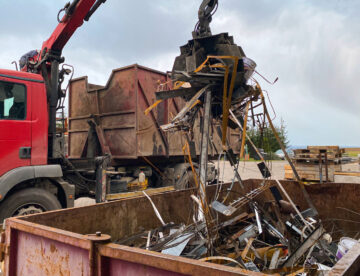
In 2022, the construction industry generated 63 million tonnes of construction and demolition (C&D) waste in England. While 59.4 million tonnes of this waste were recovered, it’s less certain how much was fully recycled.
What is clear is that there is substantial room for the industry to go further in relation to maximising resources and cutting waste. Take a look at this week’s blog to find out more about why this is crucial and what improvements can be made on site.

Even though some people may be out off by rising energy prices and interest rates, home ownership is still very common, with many people viewing it as both a security blanket for themselves and their families and a lucrative investment opportunity.
When searching for the ideal residence, people tend to look for traditional must-haves like outdoor space, the size of the home, parking and local amenities. However, with new ideas and technologies constantly changing the way our houses are designed and fitted out, we wondered what might become the must-haves of the future. Read on for a few thoughts…
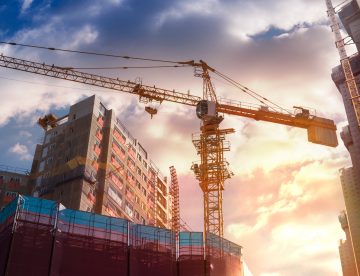
This week, the Egyptian city of Sharm el-Sheikh saw world leaders, business leaders, climate activists, civil society representatives and others arrive for COP27 – the largest annual gathering on climate action. Running for two weeks (until 18th November), this United Nations conference is seeking renewed solidarity between countries to urgently tackle the global climate emergency and deliver on the Paris Agreement for people and the planet.
Approaches that can be made by energy intensive sectors such as oil, gas, steel and cement will be discussed on the conference’s ‘Decarbonisation Day’ (11th November) so we’ll be keeping a watch on what’s said. Meanwhile, we thought we’d take this as our theme for this week’s blog and look at five ways construction companies can lower their carbon footprint.

The world we live in is constantly changing and the construction industry is certainly no exception to this. While some of the changes construction faces are incredibly challenging (for instance, the materials and labour shortages that have been widely reported in recent years) others can be seen as game-changing opportunities to boost productivity, conquer new markets, improve sustainability and support the wellbeing of the workforce.
As we start another year, still in the grips of the global pandemic along with other serious planetary concerns, we’re taking a look at some of the predicted top trends for construction in 2022.