Although water availability is often taken for granted in the UK, it is in fact a finite resource and global pressures linked to climate change, population growth, pollution and increasing demand on infrastructure are placing greater strain on water resources worldwide.
Construction activity can also contribute to unnecessary water consumption and environmental harm if not managed responsibly. In the approach to World Environment Day on 5th June, why not read our blog to learn more about this issue and discover how small changes on site and in the workplace can help reduce water waste and environmental impact.
A precious resource
According to the United Nations World Water Development Report 2024, around 2.2 billion people globally still lack access to safely managed drinking water, while 3.5 billion people lack access to safe sanitation services. The report also highlights that roughly half of the world’s population experiences severe water scarcity for at least part of the year.
Although the UK is not typically viewed as a water-scarce country, water demand continues to increase with the average person currently using around 150 litres of water per day. Government targets aim to reduce this to 120 litres per person per day over the coming years.
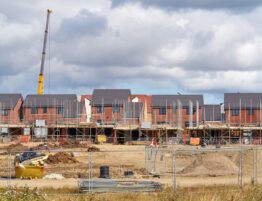
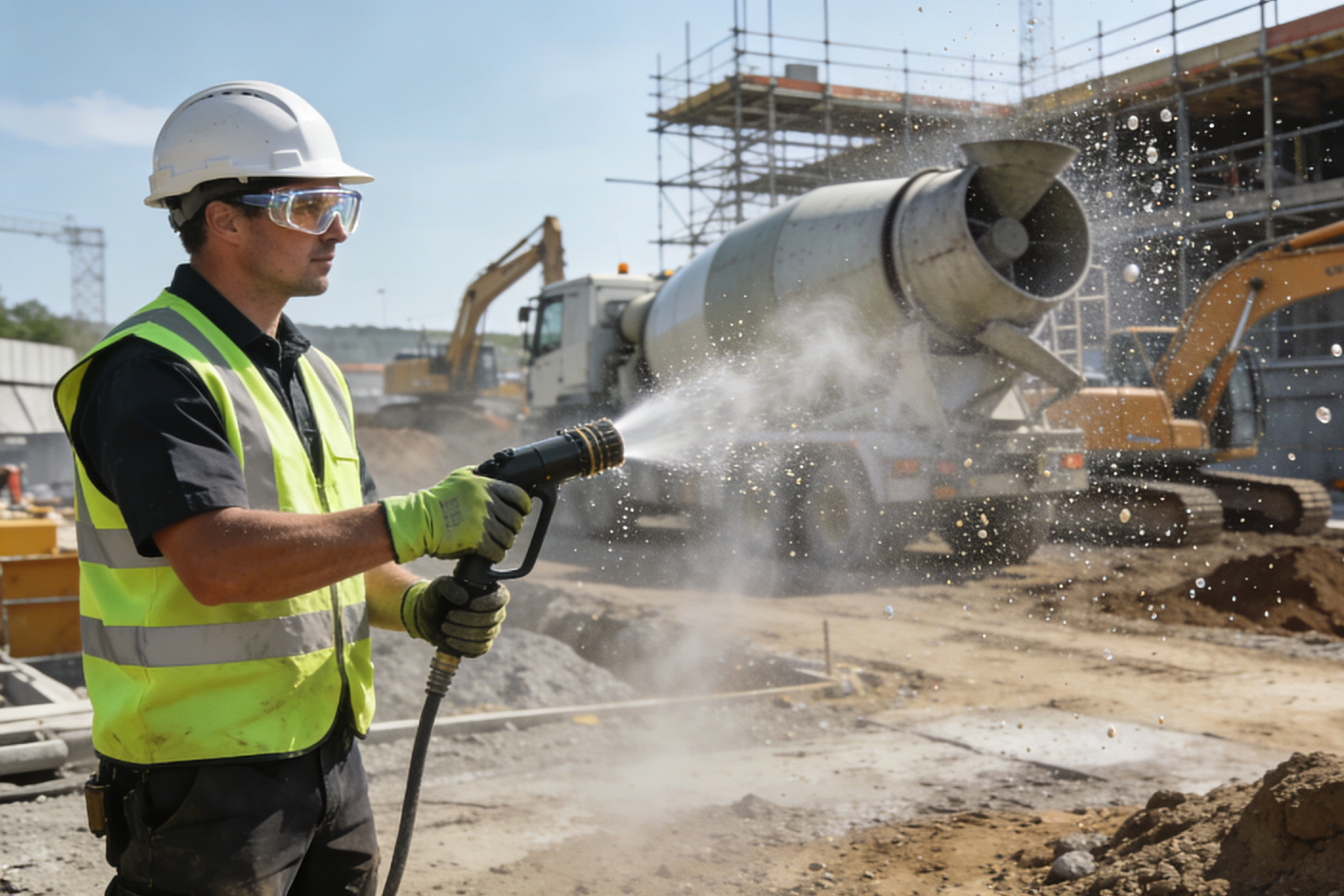
Construction activity can involve significant water use through wet trades, dust suppression, welfare facilities, cleaning operations and general site activities. There are also indirect environmental impacts linked to water pollution, surface water runoff and inefficient working practices.
By improving awareness and making practical changes to how water is managed, businesses can help reduce environmental impact, improve efficiency and support more sustainable ways of working.
Understanding the water hierarchy
One of the key principles of sustainable water management is the water hierarchy. This encourages businesses to think carefully about how water is used and whether consumption can be reduced or avoided altogether.
The hierarchy follows five key stages:
- Eliminate unnecessary water use where alternatives are available.
- Reduce water consumption through efficient practices and technologies.
- Reuse or recycle water where practical.
- Use mains water responsibly and efficiently.
- Dispose of water safely and responsibly.
This approach encourages organisations to move beyond simply using water more carefully and instead consider whether processes can be improved altogether.
Practical measures on construction sites
There are many practical ways construction sites can improve water efficiency and reduce environmental impact. Some examples include:
- Regularly inspecting hoses, taps and fittings to identify leaks and prevent unnecessary water loss.
- Using water-efficient welfare facilities such as sensor taps and controlled-flow systems.
- Planning wet trades and cleaning activities carefully to avoid excessive water use.
- Using efficient dust suppression methods that minimise unnecessary consumption.
- Considering opportunities to reuse collected rainwater or greywater for activities such as wheel washing, site cleaning or dust suppression.
- Managing cement washout, detergents and potentially contaminated water responsibly to prevent pollution entering drains or watercourses.
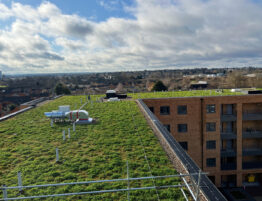
- Supporting Sustainable Urban Drainage Systems (SuDS) where relevant to reduce flood risk and improve surface water management.
Good water management is not only beneficial environmentally – it can also reduce waste and costs, improve efficiency and help businesses future-proof operations against increasing environmental expectations and resource pressures.
Beyond the construction site
Water efficiency is also relevant within office and workplace environments. Simple actions can collectively make a significant difference, including:
- Promptly reporting leaks or plumbing issues.
- Avoiding unnecessary water use in kitchens and welfare facilities.
- Installing water-efficient fittings, appliances and additional water-saving devices where practical
- Encouraging awareness amongst staff around responsible water use.
- Considering water use as part of wider environmental and sustainability planning.
Water sustainability also extends into the supply chain. Increasingly, businesses are being encouraged to consider the wider environmental impact associated with the sourcing and manufacture of products and materials, including their water footprint.
Small actions can make a big difference
Water sustainability is often overlooked because water is relatively inexpensive and readily available in the UK. However, globally, water availability is becoming an increasingly serious issue, with climate change continuing to place additional pressure on water systems and infrastructure.
Improving water efficiency does not always require major investment or complex technology. In many cases, small behavioural changes, improved awareness and better day-to-day practices can collectively make a meaningful difference.
As part of our wider environmental and sustainability objectives, Sheriff Construction and Sheriff Brickworks are continuing to strengthen awareness around responsible water use and practical measures that help reduce environmental impact across our operational sites and office environments.
Learn more
Watch this short video for a useful introduction to global water sustainability challenges and why responsible water management matters.
‘Water – A Sustainability Short’ developed by theSupply Chain Sustainability School
What do you think?
Whether on site, in the office or at home, small actions and increased awareness can all contribute towards more sustainable water management.
What practical steps could you take within your own work environment to reduce unnecessary water use or improve water efficiency? Comment on our Facebook or LinkedIn pages.
02.06.2026
Feature image: Magnific